
Developmental pattern
Gliding
/r/ and /l/ get replaced by /w/ or /y/.
- Resolves by
- Gliding of /l/ by 5;0
- Sounds affected
- r, l
- Minimal pairs
- 5
What it sounds like
- "rabbit" becomes "wabbit"
- "look" becomes "wook"
- "yellow" becomes "yewwow"
- "lion" becomes "yion"
Also called: Gliding of liquids
What is going on
The liquids /r/ and /l/ are the last consonants most children master, and they are the hardest to see. A child cannot watch you make an /r/ the way they can watch you make a /p/, and the tongue shape for /r/ is genuinely complicated. Glides like /w/ and /y/ get the vowel-ish quality approximately right while skipping the difficult tongue work.
Residual /r/ errors are among the most common reasons school-age children are seen for speech sounds, and they can persist into adulthood if not addressed.
Try this at home
When to refer
Picture-ready minimal pairs
4 pairsThese pairs have two distinct picture subjects. Put both pictures on the table and take turns asking for one. If the two words sound alike, slow down and compare the sounds together. The printable word list has additional listening contrasts.
/r/ · 2 pairs
- vs
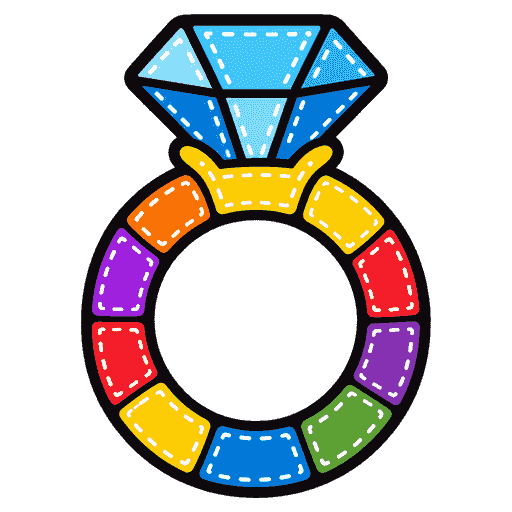
ring
initial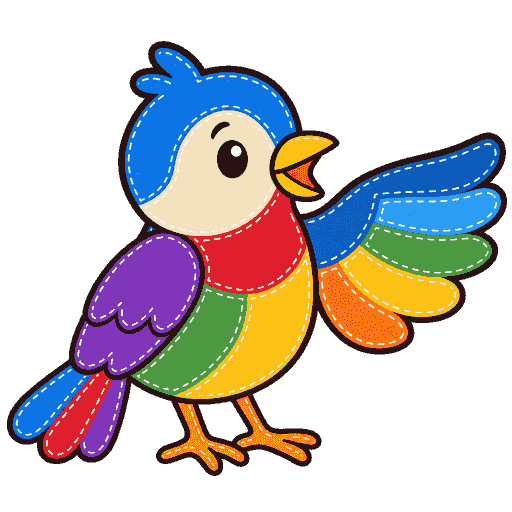
wing
- vs
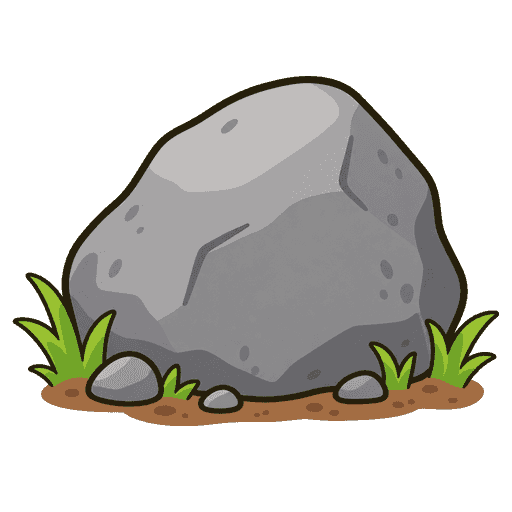
rock
initial
wok
/l/ · 2 pairs
- vs

light
initial
white
- vs
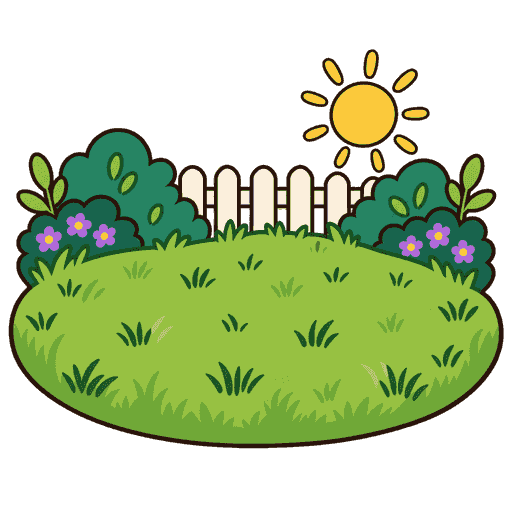
lawn
initial
yawn
Play it
Choose one of six games, then pick a speech sound and word position before playing.
See the six games